How to get low cortisol aim in Valorant with a calm crosshair and movement-first dueling
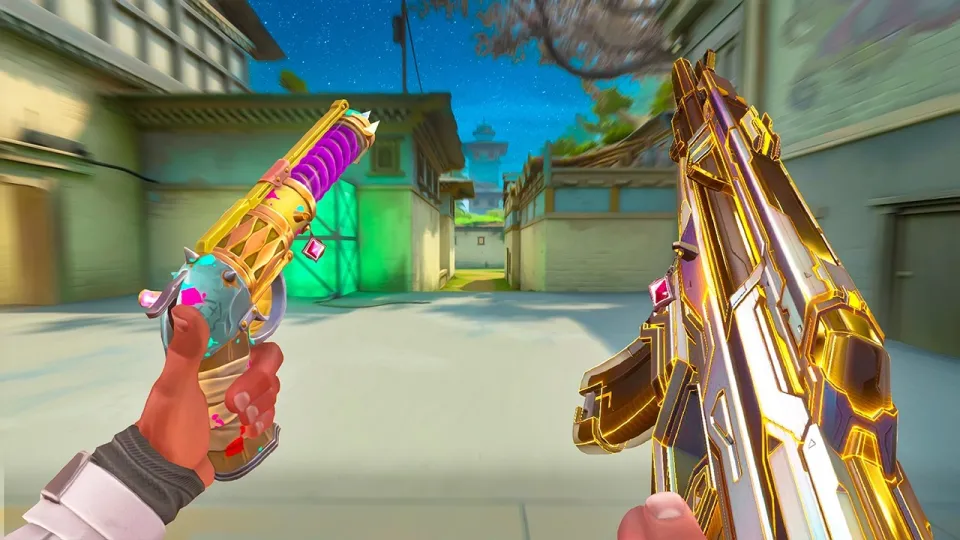
Video: low cortisol aim..
Want articles like this for your own video to promote it on YouTube and Google? Order them through the Telegram bot @sat_sit_bot. It writes articles around your video, embeds the video and publishes them on popular niche websites (no ads). Your first 50 articles are free.
· based on the channel Rawzu
Low cortisol aim in Valorant is the habit of keeping your mouse hand relaxed and your crosshair predictable, so every duel is decided by preparation rather than a panic flick. In practice that means a low, stable sensitivity, a short crosshair, deliberate movement before you shoot, and a warm-up routine that never spikes your heart rate. The style is what the Rawzu channel showcases in its "low cortisol aim.." Phoenix montage, and you can rebuild the same conditions on your own PC starting with a free optimization pass from Hone's Valorant PC optimizer.
What low cortisol aim actually means in Valorant
Low cortisol aim is a training philosophy, not a secret setting: it describes aiming that stays smooth under pressure because the player removes everything that causes micro-panic. The name comes from the idea of keeping stress hormones low during a clutch — no jittery wrist, no double-corrections, no spray-and-pray after the first bullet misses.
Three things separate calm aim from ordinary aim:
- Pre-aim over reaction. Your crosshair is already at head level on the angle before the enemy appears, so the shot needs millimeters of movement, not a full swipe.
- One correction, not five. Calm players commit to a single adjustment and let the shot go; twitchy players chase the head across the screen.
- Movement before shooting. You strafe, stop, then fire — the classic Valorant counter-strafe — instead of firing while sliding.
The result looks boring on stream and lethal in ranked: fewer highlight flicks, more first bullets that land.
The Rawzu settings behind a calm aim style
Rawzu's published configuration is built for control rather than speed, and every value is low enough to keep the wrist quiet. Copying it is a legitimate starting point if your current sensitivity makes you overshoot heads.
- Sensitivity: 400 DPI with 0.625 in-game, which works out to about 250 eDPI — on the low side even by tactical-shooter standards.
- Resolution: 1440x1080, a stretched 4:3 format that widens enemy models and makes heads easier to track.
- Crosshair: the 1-6-2-2 style setup (thin inner lines, short outer lines, no center dot) so the target stays visible between the lines.
- Mouse: Logitech G Pro X Superlight 2, a lightweight wireless shape that reduces drag during long strafes.
- Mousepad: Artisan Zero Soft, a control-oriented cloth pad with more stopping friction than speed pads.
- Monitor: Zowie XL2566K at 360Hz, which shortens the gap between what happens and what you see.
The pattern is consistent: low eDPI plus a control pad plus a high-refresh monitor equals a setup where small movements are readable and repeatable. If you change only one thing, change the sensitivity first — most players who describe their aim as shaky are simply too high.
How to build a calm aim routine step by step
A calm aim routine is a short daily sequence that trains steadiness before it trains speed, and it should take 10 to 15 minutes. Do it in the range or a custom lobby, not in a live match.
- Set the baseline. Pick a sensitivity within the 200–300 eDPI range, then keep it for at least a week. Constant changes destroy muscle memory and make every session feel new.
- Warm up with slow tracking. Track a bot's head with your crosshair for 60 seconds without shooting. The goal is zero overshoot, not speed.
- Add counter-strafe taps. Strafe left, tap the opposite key to stop, fire one bullet, repeat. Ten reps per direction, then switch.
- Practice the flash-peek. With Phoenix, throw Curveball around a corner, swing wide, and take the shot on a stopped character. This is the exact pattern the agent is designed for.
- Finish with a breathing reset. Thirty seconds of slow breathing before queueing keeps your grip loose and your first duel honest.
If your hand hurts or your forearm tenses, the sensitivity is too high or the grip is too tight — both are cortisol problems, not talent problems.
Why Phoenix is the right agent for this playstyle
Phoenix is an offensive duelist whose kit rewards players who pressure angles with preparation instead of luck. Curveball blinds enemies even when they hide behind corners, Blaze creates a vision-blocking wall that also damages anyone who walks through it, and Hot Hands gives self-healing area denial. Run it Back lets him respawn at his marker with full health, which means a calm player can take a risky first duel and still return to the round.
The agent's weakness is the same as its strength: everything happens at close range, so your crosshair placement has to be right before the flash lands. That is precisely the low cortisol skill — flash, stop, one clean bullet — rather than a blind swing and a prayer.
Common questions about calm aim, movement and the montage
Viewers of the Rawzu video tend to ask the same things: how the movement looks so smooth, whether the sensitivity is really that low, and what happens in the clip's louder moments. Three practical answers cover most of it.
- "Your aim is good but the movement is better." Movement is the foundation, not a bonus. Counter-strafing and shoulder peeking create the half-second of stillness that makes a calm shot possible; the aim itself is the easy part once the stop is clean.
- "How is that player already there?" Aggressive Phoenix players use Blaze and off-angles to arrive before the defender's crosshair does. That is map knowledge and timing, not a faster mouse.
- "What about the weird audio moments?" Montages cut and layer sound for effect; treat the visuals as a demonstration of pacing, not as a tutorial for how a round should sound.
The takeaway from the comment section is consistent: viewers notice the smoothness of movement before they notice the accuracy, which is exactly how calm aim is supposed to look.
Useful links from the video
Final thoughts on building a low cortisol aim style
Calm aim in Valorant comes from removing variables: one sensitivity you keep for weeks, a short crosshair, a control mousepad, and movement that stops before the shot. The Rawzu setup — 400 DPI at 0.625, 1440x1080, an Artisan Zero Soft and a Superlight 2 — is a working example of that philosophy rather than a magic formula. Copy the numbers, then spend your practice time on counter-strafing and pre-aim instead of flick speed. The Rawzu channel is the place to see the style applied round after round in Phoenix gameplay. Before your next session, run a free optimization pass through Hone so frame drops never break your calm.
Key takeaways
- Low cortisol aim means calm, repeatable mouse control instead of panic flicks and overcorrection.
- Rawzu runs 400 DPI at 0.625 in-game sensitivity, which is roughly 250 eDPI.
- His setup: Logitech G Pro X Superlight 2, Artisan Zero Soft pad, Zowie XL2566K 360Hz monitor.
- Resolution is 1440x1080 stretched and crosshair code style 1-6-2-2 (inner and outer lines, no dot).
- Phoenix is the demo agent: Curveball flash, Blaze wall, Hot Hands and Run it Back reward aggressive but controlled dueling.
Source: low cortisol aim.. · Markdown version
Questions & answers
What sensitivity does Rawzu use in Valorant?
Rawzu plays at 400 DPI with 0.625 in-game sensitivity, which equals roughly 250 eDPI. That is a low value even for tactical shooters, and it is the main reason his crosshair movement looks steady rather than twitchy.
Do I need a 360Hz monitor for calm aim?
No. A high-refresh monitor like the Zowie XL2566K at 360Hz makes motion clearer, but the calm style comes from sensitivity, crosshair placement and counter-strafing. A stable 144Hz setup with consistent frame times will still let you build the same habits.
Is Phoenix a good agent for players with shaky aim?
Phoenix is forgiving because Run it Back gives you a second life and Hot Hands restores health, so a failed first duel costs less. His flash also forces close-range fights where crosshair placement matters more than raw flick speed.
How long should I practice before changing my sensitivity again?
Give any new sensitivity at least a week of daily 10–15 minute routines before judging it. Switching every session prevents muscle memory from forming, which is the most common reason players feel their aim is inconsistent.